Nobody Thinks to Ask for Youth
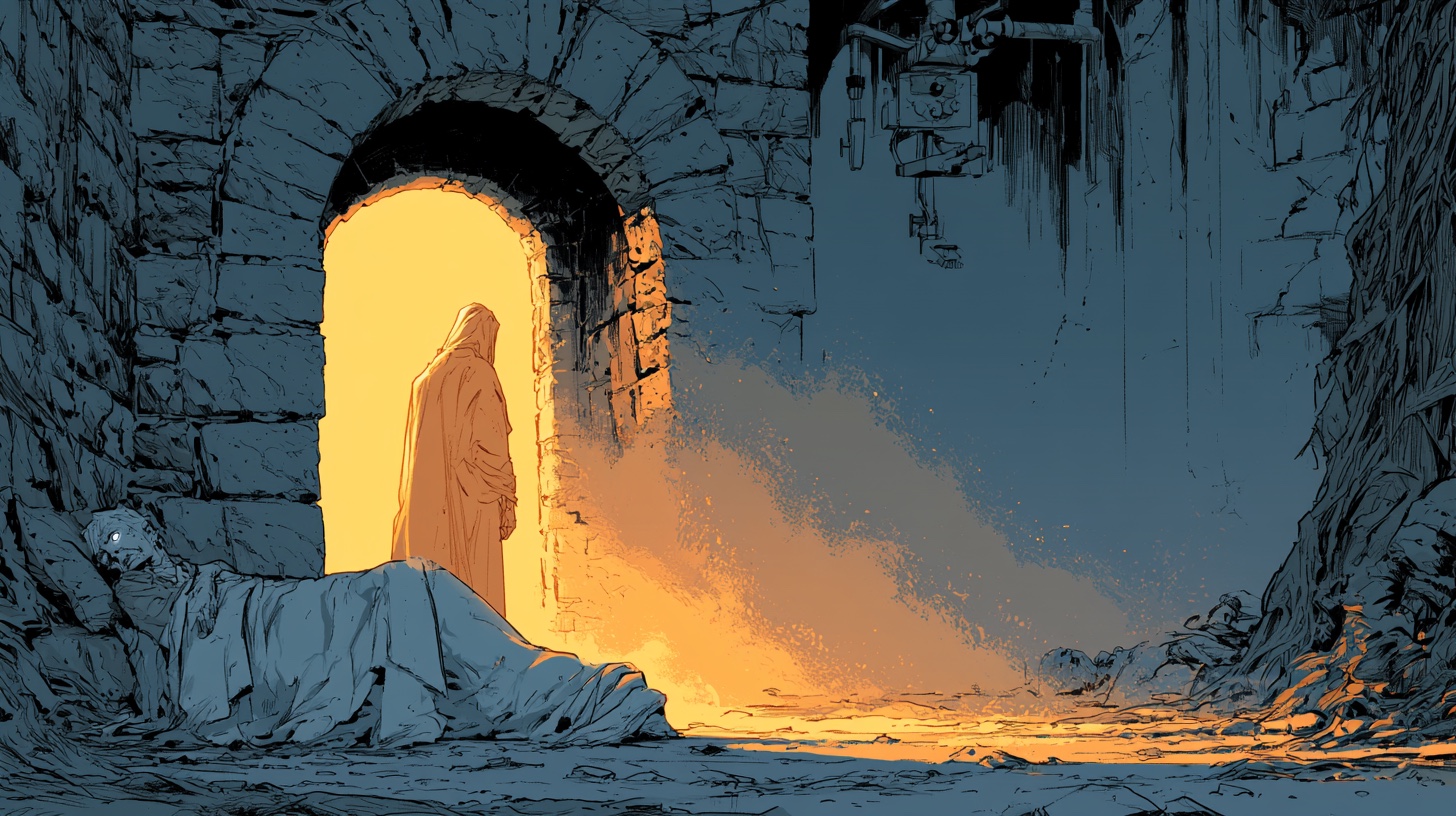
Eos asked that her lover not die and forgot to ask that he not age. The regulator grants the same wish now, one named tissue at a time.
The wish granted exactly
Every wish in this field is being written by lawyers, and the wish they are allowed to write is a wish for more time in one named tissue. Nowhere on any form is there a box for youth.
Hold that. A very old story explains it, and it is not the story you think.
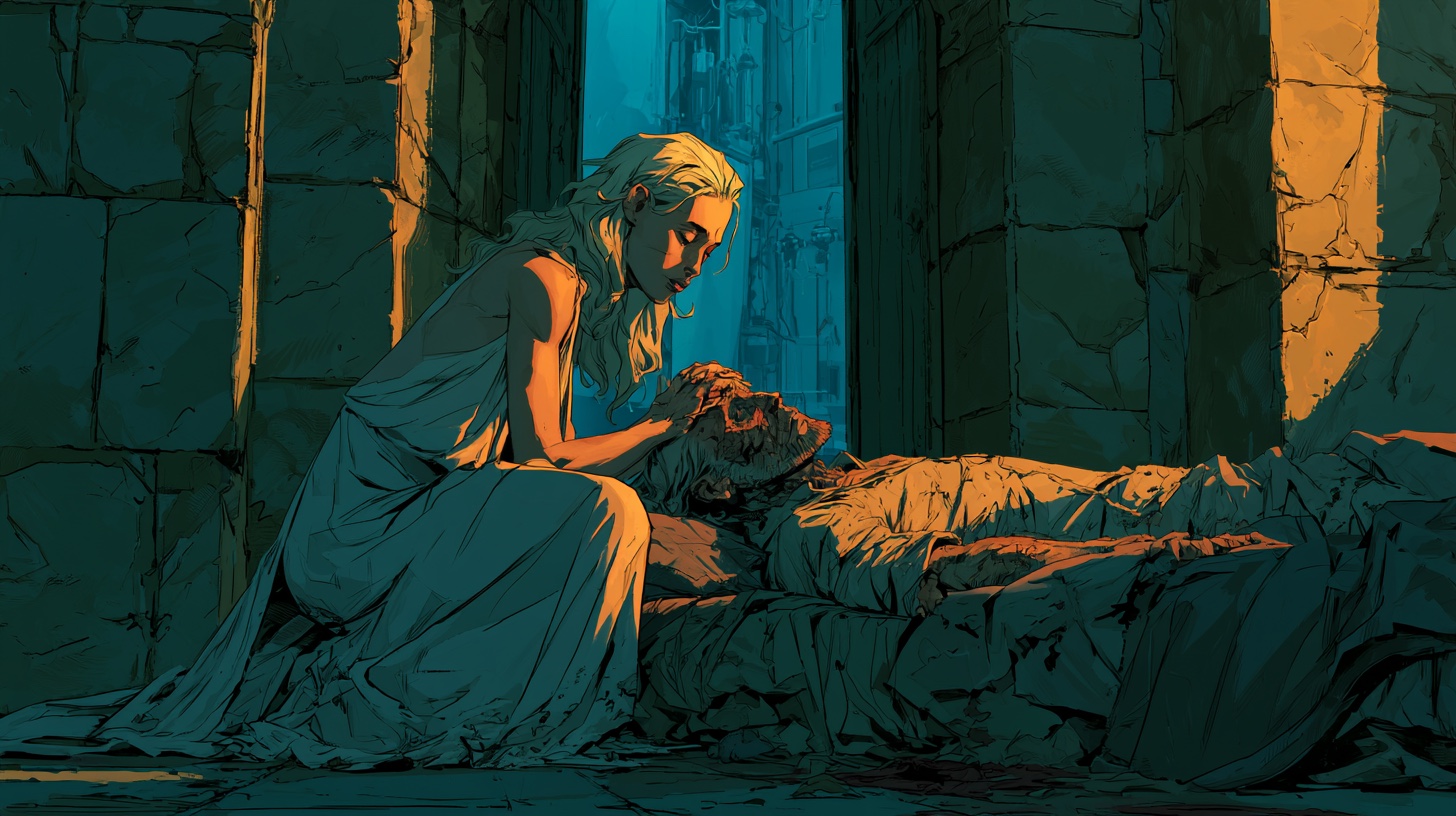
Eos is the dawn. She takes a mortal prince, Tithonus, for a lover, and she cannot bear that he will die, so she asks Zeus to make him immortal. The wish is granted to the letter. Every retelling softens this into a lesson. It is not a punishment. No god is teaching her about hubris. No trick, no smirk behind a pillar, no paw curling on itself. She asked for one thing and received it, and the whole disaster lives in the gap between what she asked for and what she meant. She asked that he not die. She did not think to ask that he not age. Tithonus is not a story about wanting too much. It is a story about specifying too little.
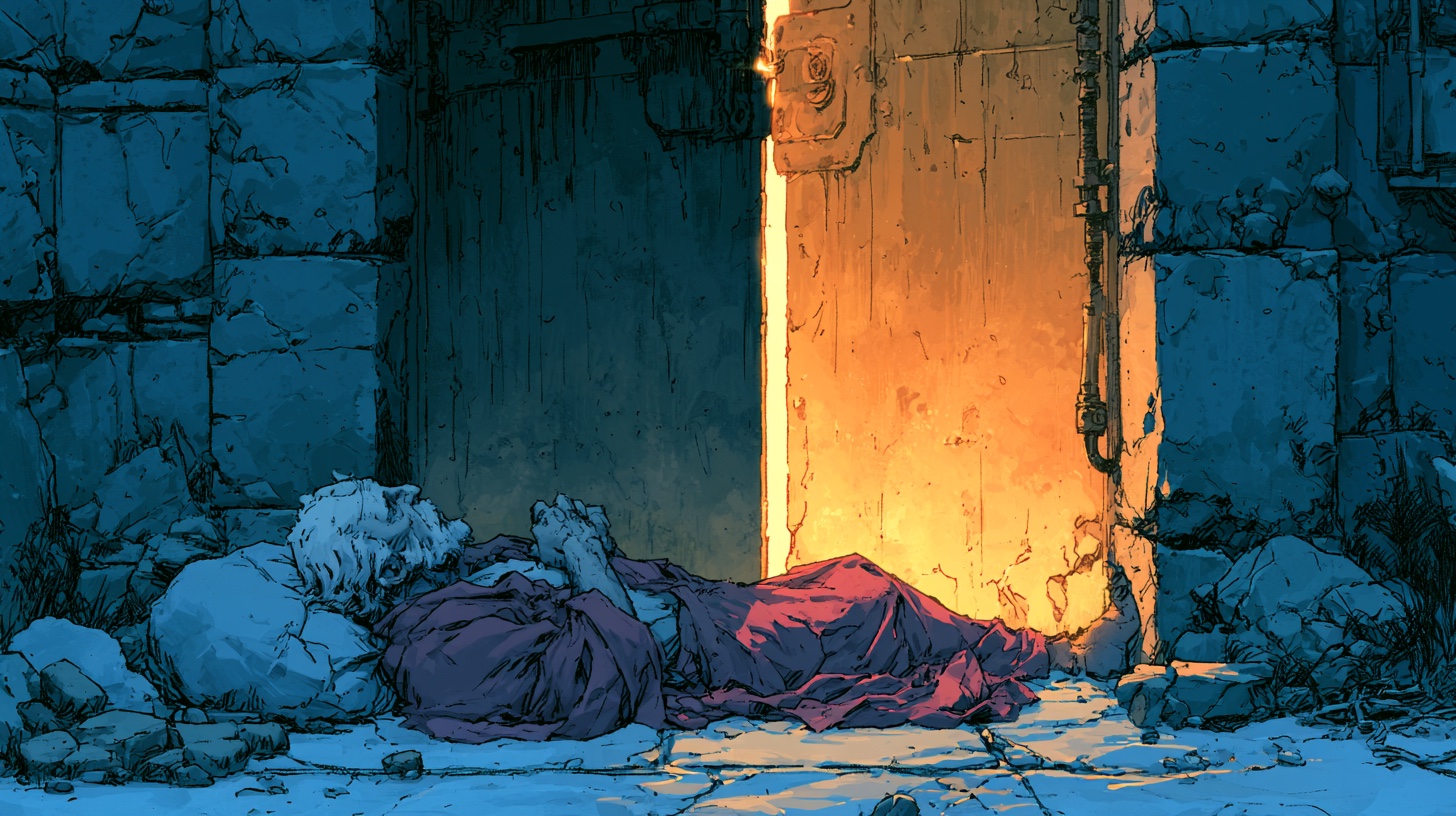
Play it slowly. The horror is not a moment; it is a repetition. Eos is the dawn: obliged to leave every morning, obliged to return, seeing him at first light, the most exposing light there is, every day a little worse than the day before. Not one night of terror. Thirty thousand mornings of it, each a rounding error from the last, which is how aging feels from the inside, which is why nobody feels it happening. And the Hymn gives us the end: when his limbs will no longer carry him, she lays him in a chamber and closes the shining doors, and behind them his voice runs on and on with no strength left in it: a sound with the man worn out of it. Later tellers shrank him into a cicada, a noise in the grass with nothing attached. Keep that.
The queue
Now this year, and no goddess in it.
In January 2026 the American regulator cleared the first human trial of a therapy that partially reprograms cells toward a younger state: three of the four factors that wind a cell's clock backward, delivered by a virus into the eye. The first person was dosed in June. The trial's entire declared purpose is safety, measured in years. The essay turns on one fact: the regulator does not recognize aging as a disease. There is no form for it. Growing old is not an indication. So a company built to reverse aging must enter through the optic nerve, where the damage is measurable, the delivery local, the risk arguable on a single organ. The money knows. Three and a half billion dollars went into longevity biotech in the first quarter alone, up half on the year before: Bezos behind one lab, Altman behind another, big pharma moving into the rounds. None of it can be filed as what it is.
Watch what that does to the wish.
Eos asked for duration and forgot to specify condition, and the wish executed to the letter. The whole regulatory architecture forces every real wish into that shape. You cannot apply to be made young, so you apply for the eye. Then the kidney. Then the knee, the inner ear, the failing patch of brain, each in the order the paperwork can be won. Rejuvenation does not arrive as rejuvenation. It arrives as a queue, ordered by what is easiest to file, not by what a person would want repaired first. What comes out the far end is not a young human. It is a person made young in the parts where the filing cleared. Young eyes in an old face. Then young eyes and a young kidney in a face still failing around them. The Tithonus condition is not some far transhumanist horizon. It is the near-term default, arriving through the front door with an application number and a safety board. The myth is read as a story about wanting too much. It is a story about specifying too little, and we have built a system in which complete specification is not allowed.
Rejuvenation does not arrive as rejuvenation. It arrives as a queue
Death becomes a verdict
Then it gets worse, and the worse is not the withering.
Everyone assumes the curse is the decay. It is not. Decay is the common lot. The horror in Tithonus is that the exit closed. Nobody in 2026 proposes to close the exit. Yet watch what the fork does without anyone deciding. If the refusers keep death as a fact of nature and the adopters turn it into an outcome, something bought off a piece at a time, then dying stops being a thing that happens to you and becomes a thing you chose, or failed to prevent, or could not afford. Death becomes a verdict on your decisions and your bank balance. That is a new moral object in the world, no ethics built for it, and the grieving of the next century may be handed an itemized bill along with the body.
And the gap, which in this essay is not metaphor but arithmetic. Every previous advantage eventually closed, because tools get cheap and spread. This one compounds, because it buys time, and time converts into every other resource. Thirty extra healthy years is thirty more years of earning with which to buy the next thirty. The named disease is treated first, narrow and insured; elective youth comes second, wide and paid out of pocket, because insurers pay for illness and this is not filed as aging. Elective procedures follow money. This one follows money and then makes more of it.
The last turn, the one I hand forward. In the oldest telling the body dwindles until nothing is left but the voice, going on by itself in the grass. A voice that outlasts its body stopped being a fable when we started mapping a hundred billion neurons and asking whether the pattern could be copied off the failing flesh. The essay before this asked whose voice comes out of the augmented head. This one asks how long the voice keeps going after the body has stopped being a body. I leave that for a later essay, which will not be able to answer it either.
The wanting
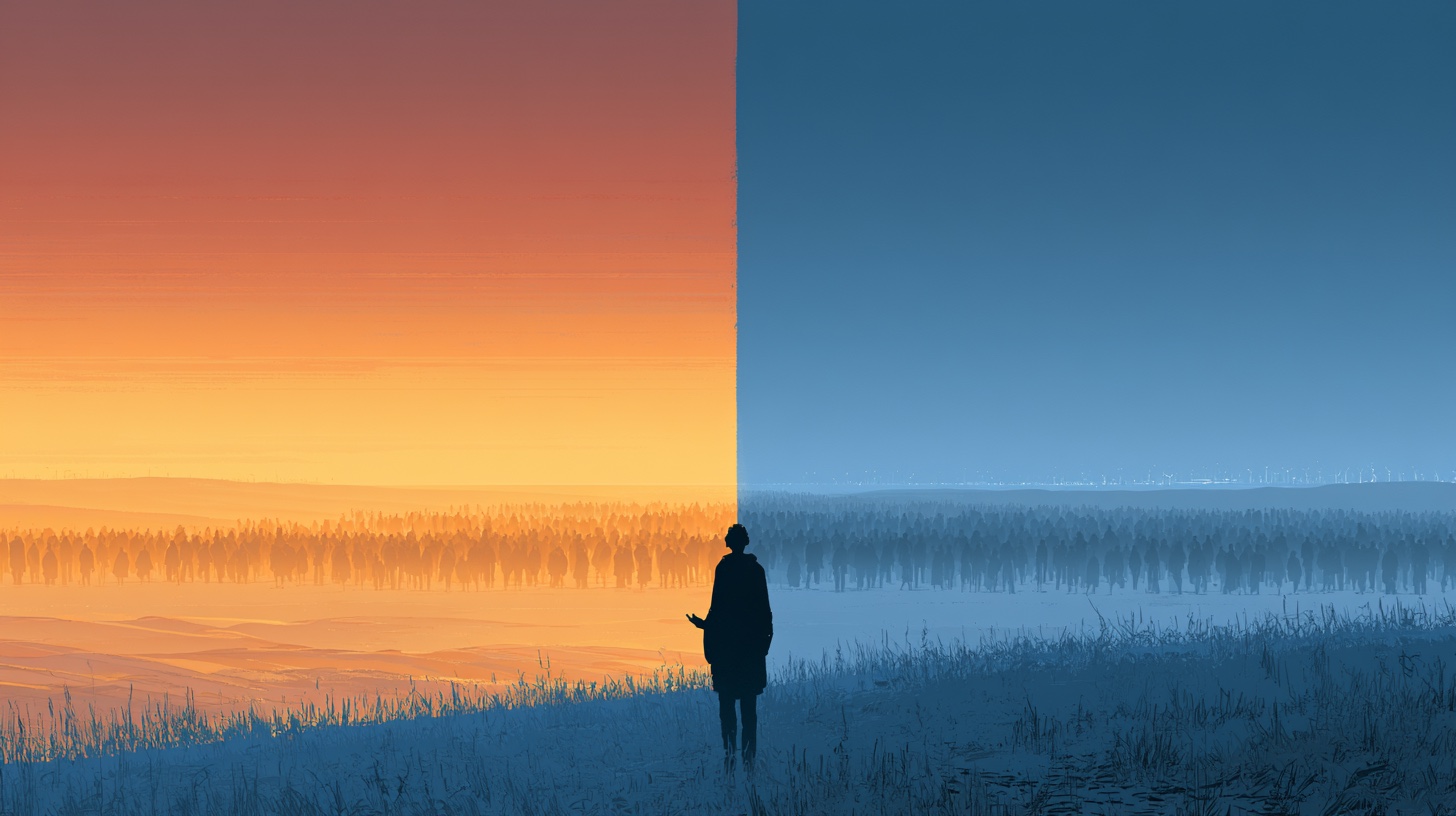
Come back to the wanting and treat it gently. It is not vanity. Eos did not ask immortality for herself. She asked because she could not stand for him to leave. Every clinic, every fund, every man checking his biological age against the calendar is making that same request, and it is love, or close enough, only badly worded. I will say the thing the essay is worthless without: I would take the thirty years. Of course I would. Anyone would. There is a moment at the end of a long night, when the dark edge of the earth turns and the light comes up over a field of people still moving, and you can feel the whole planet tilt into the sun, and every one of them is thinking the same three words, which are one more day. That is Eos's gesture. Wanting one more of something you love. The most human thing there is.
I would take the thirty years. Of course I would. Anyone would.
Forever, answered
A boy in a hut once said forever as a joke he half meant. A goddess said forever and meant it precisely, and got it. Only one of them was joking. Only one of them received an answer.
Only one of them was joking. Only one of them received an answer.